Santorini Greece Earthquakes: A Comprehensive Guide To Understanding Seismic Activity - Greece declares state of emergency on Santorini after earthquakes Santorini Greece earthquakes have significantly impacted the island's landscape over the centuries. The most notable changes include the formation of new landmasses and the alteration of the caldera's shape.
Greece declares state of emergency on Santorini after earthquakes
In response to the history of seismic activity, modern-day Santorini has implemented various safety measures to protect its residents and visitors. These measures include building codes, early warning systems, and public awareness campaigns.
Experts from the Institute of Marine Geology and Geophysics emphasize the importance of continuous research and data collection in improving earthquake prediction models for Santorini.
We encourage readers to stay informed about seismic activity in Santorini and take necessary precautions to ensure their safety. Share this article with friends and family, and explore other resources to deepen your knowledge of this fascinating topic. Together, we can promote awareness and preparedness in the face of nature's forces.
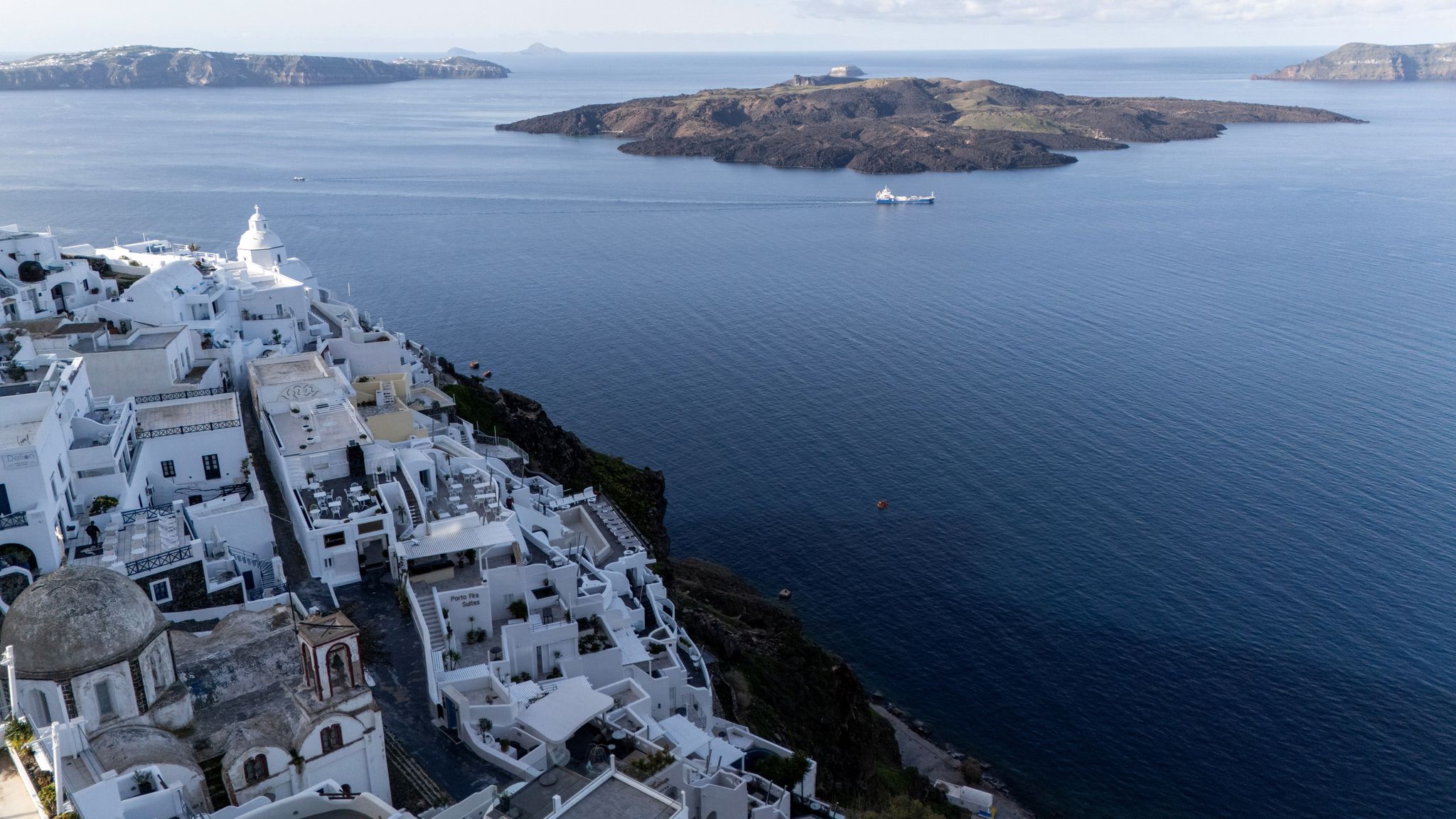
Santorini Greece earthquakes have been a subject of fascination and concern for geologists and tourists alike. The stunning island of Santorini, known for its breathtaking sunsets and iconic white-washed buildings, sits atop a seismically active region. Understanding the science behind these earthquakes is crucial for both residents and visitors. In this article, we will delve into the history, causes, and impacts of earthquakes in Santorini, providing you with valuable insights to stay informed and prepared.
Santorini Greece earthquakes are a natural phenomenon that has shaped the island's history and geography. By understanding the causes, impacts, and safety measures associated with these seismic events, residents and visitors can better prepare for potential future occurrences.
The Greek government, in collaboration with international organizations, has invested in early warning systems that can detect seismic activity and alert the population in advance. These systems play a crucial role in minimizing the impact of earthquakes on the island.
According to the Geological Society of London, the geological composition of Santorini makes it a hotspot for seismic research. The island's unique geological features provide valuable insights into the Earth's tectonic processes.
Santorini, a part of the South Aegean volcanic arc, is a geological marvel. The island's formation is closely linked to its volcanic past, which has also contributed to its seismic activity. The caldera, a prominent feature of Santorini, was formed due to a massive volcanic eruption around 1600 BCE.

The impact of earthquakes on Santorini's landscape serves as a reminder of the dynamic nature of geological processes and the island's vulnerability to seismic activity.
This article aims to provide a detailed exploration of Santorini Greece earthquakes, equipping readers with essential knowledge about seismic activity in the region. From historical records to modern-day preparedness, we will cover everything you need to know about this critical topic. Let's dive in.
Recent studies have highlighted the importance of monitoring volcanic activity as an indicator of potential seismic events. The interplay between volcanic eruptions and earthquakes is a focal point of research, offering new perspectives on the island's geological dynamics.